Strong supply chain management and procurement specialists are often key drivers of business performance. They help companies reduce costs, improve supplier reliability, manage risks, and create more transparent sourcing processes.
However, in many organizations, high-performing SCM specialists can lose visibility to weaker but more politically active careerists. This can become a serious problem for corporate growth.
Why Strong SCM Specialists Matter
A good SCM or procurement specialist does more than manage purchase orders. They understand supplier markets, pricing trends, delivery risks, contract terms, and total cost of ownership.
Their work can directly improve:
- Cost savings
- Supplier performance
- Delivery reliability
- Risk management
- Internal stakeholders cooperation
- Procurement transparency
- Business profitability
When these people are not recognized, companies often miss valuable opportunities.
How Careerism Hurts Procurement Performance
Careerism becomes dangerous when internal visibility is rewarded more than real business results.
A weaker employee may be better at self-promotion, but this does not mean they create more value. In procurement and supply chain management, this can lead to poor supplier decisions, missed savings, slower innovation, and weaker market competitiveness.
If strong SCM specialists are ignored, they may become frustrated, disengaged, or leave the company. Losing this knowledge can be expensive.
The Risk for Corporate Growth
Corporate growth depends on smart decisions, efficient processes, and strong supplier networks. When procurement teams are led by politics instead of performance, companies may continue using outdated suppliers, overpay for goods or services, and miss better sourcing opportunities.
This slows growth and reduces competitiveness.
Make Procurement Performance More Visible
Companies should measure procurement and SCM performance based on clear business impact, such as:
- Achieved cost savings
- New qualified suppliers
- Improved delivery terms
- Reduced lead times
- Better supplier competition
- Transparent sourcing decisions
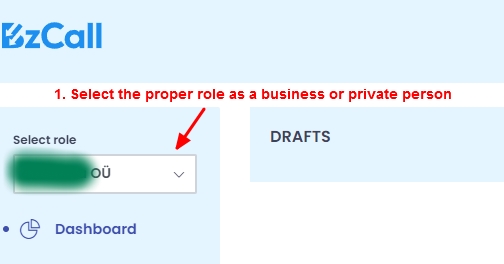
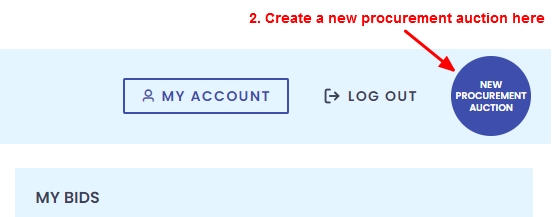
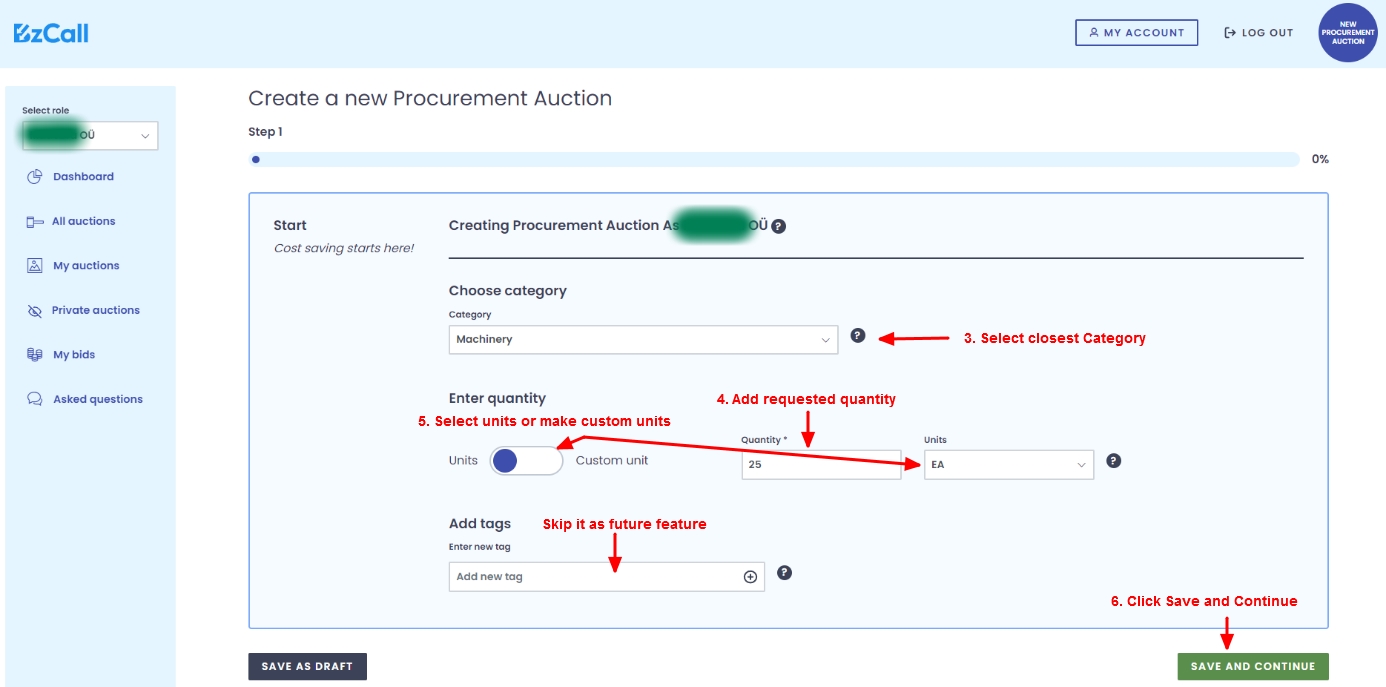
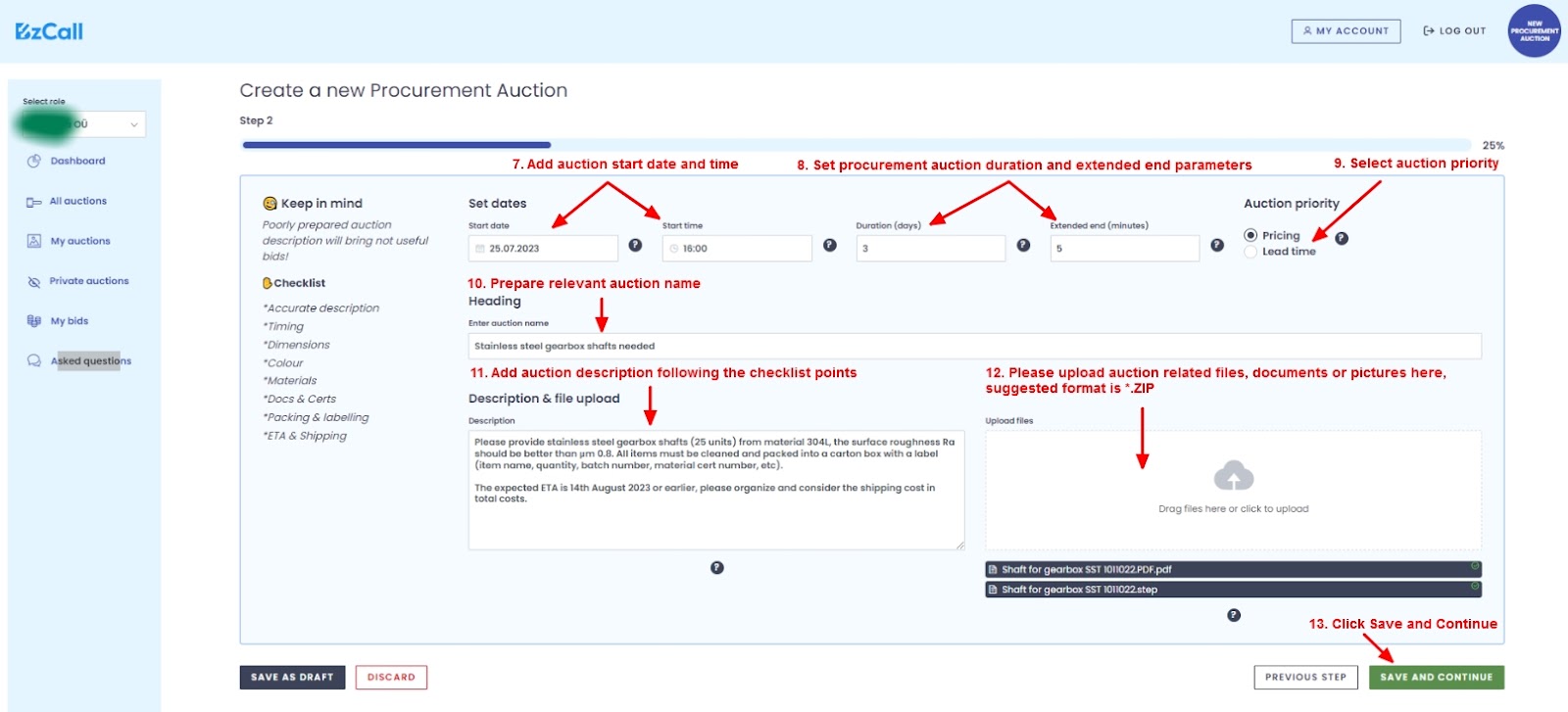
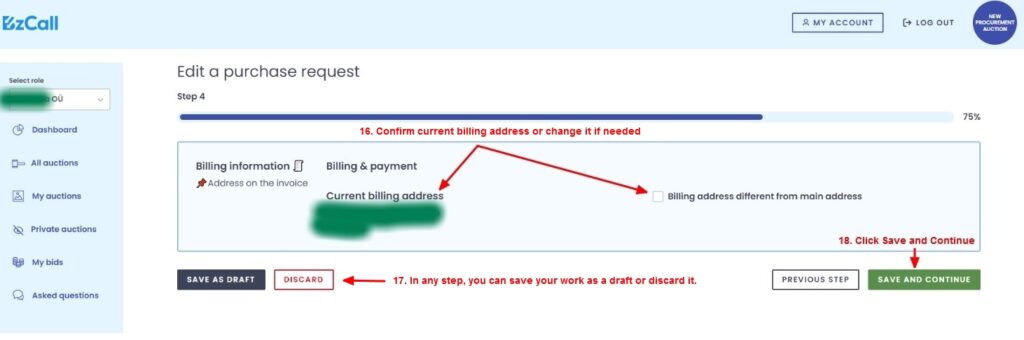
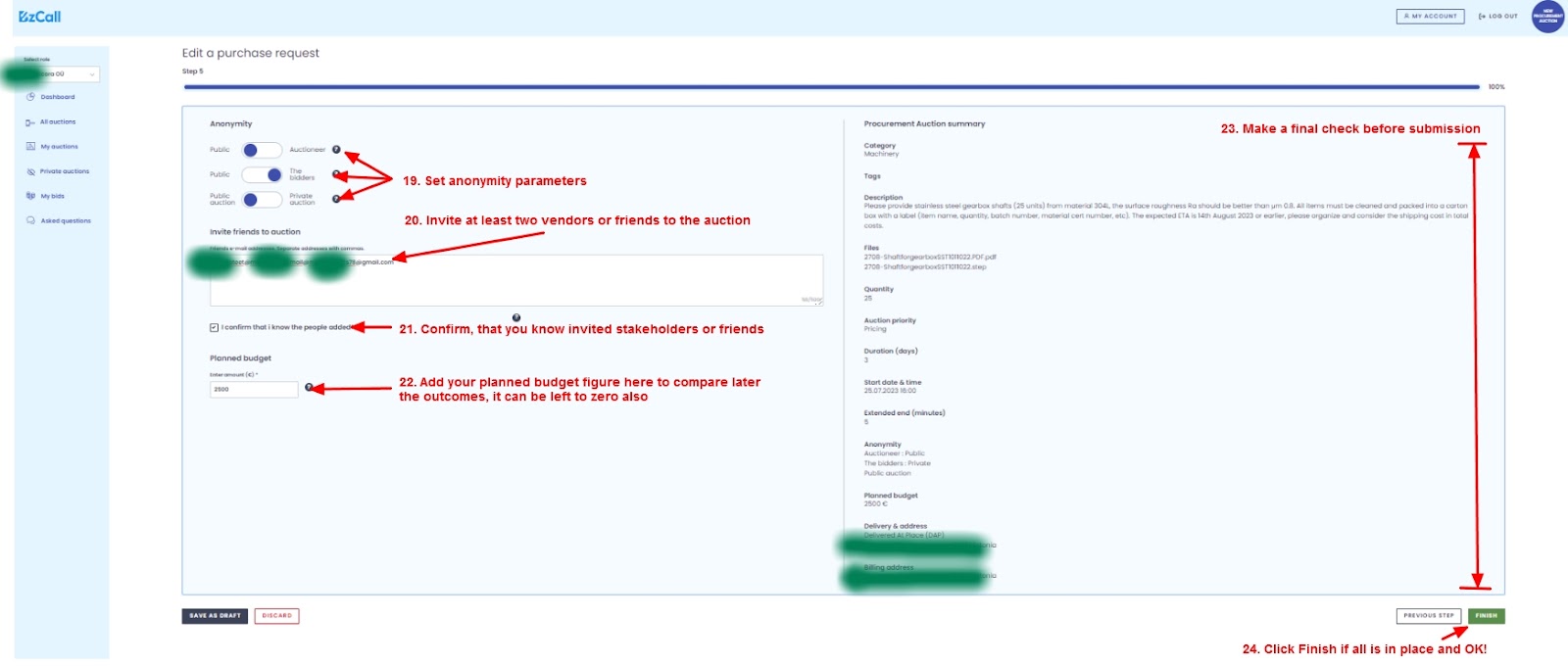
One practical way to make sourcing results more visible is to use procurement auctions.
Procurement auctions help companies create fair supplier competition, compare offers in real time, test new vendors, and make data-driven purchasing decisions.
Try BzCall.com for Free Until the End of 2026
BzCall.com is a procurement auction platform that helps companies run transparent and competitive sourcing events.
With BzCall.com, procurement teams can invite suppliers, run real-time auctions, test new vendors, and show measurable savings to management.
BzCall.com is free of charge until the end of 2026, making it a low-risk way to test procurement auctions and improve sourcing transparency.
Final Thought
Strong SCM and procurement specialists are strategic assets. Companies that ignore their contribution and reward visibility over results risk slowing their own growth. To stay competitive, businesses need transparent sourcing, measurable procurement performance, and systems that make real value visible.
Written by Gert
Last time edited: 22.06.2026