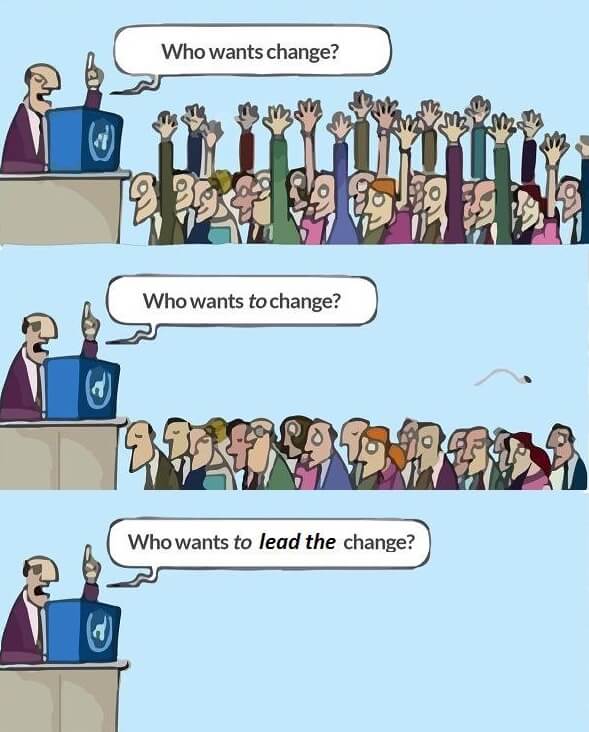
Fighting Nepotism in the Supply Chain using Procurement Auctions!

🔥👀 Nepotism – giving preference to relatives or friends in business or employment – is causing significant problems in the supply chain world. It undermines fairness, transparency, and efficiency, ultimately affecting the overall effectiveness of supply chain operations. In this article, we will delve into two of the main problems caused by nepotism, explore its consequences, and discuss how procurement auctions can be a powerful tool to combat this harmful practice:

👉 1. Inefficiency

Nepotism often leads to suppliers being chosen based on personal relationships rather than merit. This can lead to inefficiencies, as suppliers may not be the most suitable for the job. If suppliers are selected based on connections rather than qualifications, this can lead to delays, sub-standard quality, and increased costs.

👉 2. Unfair Competition

In a nepotistic environment, competition may not be fair, as certain suppliers are favored over others because of personal relationships. This can stifle healthy competition and prevent new, innovative suppliers from entering the market. This creates a barrier to market access for small and medium-sized enterprises (SMEs), which may have better products or services but lack the links to secure contracts.

🍓 How can procurement auctions help?

Procurement auctions offer a transparent and competitive process for selecting suppliers based on objective criteria rather than personal connections. Here’s how they can address the issues caused by nepotism:

1. Promoting Efficiency

Procurement auctions allow suppliers to compete on a level playing field, ensuring that the most qualified and cost-effective suppliers are selected for the job. By standardizing the bidding process and evaluating suppliers on factors such as price, quality, and delivery time, auctions help identify the most suitable suppliers for each project. This promotes efficiency by ensuring that contracts are awarded on merit rather than nepotism.

2. Ensuring Fair Competition

Procurement auctions promote fair competition by opening up bidding opportunities to a wide range of suppliers. Unlike traditional procurement methods that may favor established suppliers with personal connections, auctions allow new and innovative suppliers to participate on an equal footing. This encourages diversity within the supply chain and fosters innovation by allowing all suppliers to showcase their capabilities.

In summary, nepotism in the supply chain can have far-reaching consequences, including inefficiency, unfair competition, and limited innovation. However, by leveraging procurement auctions, organizations can mitigate these challenges and build a more transparent, competitive, and innovative supply chain ecosystem. 

Keywords: #sourcing #supplychain #eauctions #logistics #building
#Construction #CNC #procurement #corruption #savings #costcutting 

Written by Gert 

Last time edited: 15.05.2024

Mini-size procurement auctions can help to outsource key business operations or roles!

🔥👀 In the fast-paced business world, organizations are increasingly using outsourcing as a strategic step to increase efficiency, reduce costs, and focus on core competencies. Procurement auctions can indeed be a valuable tool in minimizing administrative costs through outsourcing across various areas of business operations or roles. We explore how procurement auctions can offer value propositions in Finance, Housekeeping, HR, and Marketing.

1. Finance

💥 1.1 Accounting and Bookkeeping: The outsourcing of financial functions, such as accounting and bookkeeping, through procurement auctions, allows companies to make flexible use of financial expertise, reducing the overheads associated with maintaining an internal finance department.
💥 1.2 Financial Analysis and Reporting: By outsourcing financial analysis and reporting, companies benefit from expert knowledge and timely reporting, while reducing the costs of hiring dedicated financial analysts in-house.

2. Housekeeping

💥 2.1 Facilities Management: The outsourcing of janitorial and facilities management services through procurement auctions allows companies to maintain clean and tidy premises at competitive prices without having to invest in internal housekeeping staff and equipment.
💥 2.2 Maintenance Services: By outsourcing maintenance services such as repairs and cleaning, companies can ensure the upkeep of their facilities while reducing the costs associated with hiring and training in-house maintenance teams.

3. Human Resources

💥 3.1 Recruitment and Staffing: By outsourcing recruitment processes through procurement auctions, companies gain access to a wider pool of talent at competitive prices, reducing the time and resources spent on recruitment.
💥 3.2 Training and Development: The outsourcing of training programs through procurement auctions allows companies to make use of expertise, ensuring that workers receive high-quality training tailored to their needs while reducing in-house training costs.

4. Marketing

💥 4.1 Digital Marketing Services: Procurement auctions for digital marketing services allow companies to find agencies or freelancers with the right expertise to deliver targeted marketing campaigns at competitive prices, reducing the need for a large in-house marketing team.
💥 4.2 Market Research: Outsourcing market research through procurement auctions allows companies to access dedicated research without having to invest in special research departments, helping them to make informed decisions while controlling costs.

In summary, procurement auctions offer companies a strategic approach to minimizing administrative costs by outsourcing different business functions.

Keywords: #hr #housekeeping #finance #marketing

Written by Gert 

Last time edited: 01.04.2024

Can procurement auctions help fight against greenwashing?

🔥👀 In recent years, greenwashing has received considerable attention in the field of sustainability and responsible sourcing. Greenwashing is the deception of presenting a company, product, or activity as more environmentally friendly than it is. It often involves misleading marketing or communication that exaggerates the environmental benefits of a product or service, leading consumers or stakeholders to make decisions based on false or incomplete information.

In the context of procurement, the use of greenwashing can be particularly problematic. Companies may claim to prioritize sustainability in their supply chain practices, but in practice, their procurement activities may not be in line with their stated commitments. This can have serious consequences not only for the environment but also for a company’s reputation and profits.

To avoid greenwashing in procurement activities, it is important to pay attention to several key aspects and implement robust processes to ensure transparency and accountability. In this story, we highlight three important aspects that should be taken into account and discuss how procurement auctions can play an important role in this work.

⭐ 1. Transparency and Traceability: Transparency and traceability are key aspects of responsible procurement. The entire supply chain must be visible, from the sourcing of raw materials to the delivery of the final product. This includes understanding the environmental impact of each stage of the supply chain and ensuring that suppliers follow sustainable practices.

Procurement auctions can contribute to transparency by providing a range of criteria, including sustainability indicators. Through auctions, buyers can specify their sustainability requirements, such as using environmentally friendly materials or compliance with specific environmental standards.

⭐ 2. Verification and Certification: Verification and certification play an important role in ensuring that suppliers meet the sustainability standards set by buyers. This includes assessing suppliers’ compliance with environmental regulations, certifications, and industry standards for responsible sourcing.

Procurement auctions can integrate verification and certification processes into their auctions by requiring suppliers to provide documentation or proof of compliance with relevant standards. This ensures that only suppliers with verified sustainable practices are eligible to compete, reducing the risk of greenwashing.

⭐ 3. Performance Monitoring and Reporting: Ongoing monitoring and reporting of supplier performance is essential to detect and address greenwashing in procurement. This includes tracking key sustainability performance indicators such as carbon emissions, waste generation, and energy consumption, and holding suppliers accountable to pre-defined targets.

Procurement auctions can set performance target requirements for suppliers, and they are required to report regularly on their progress toward these targets after winning the bidding. 

Summary: In conclusion, avoiding greenwashing in procurement requires a multi-faceted approach that includes transparency, verification, performance monitoring, stakeholder engagement, and ethical considerations. Procurement auctions can be a valuable tool to achieve this goal, as they offer a transparent and competitive market where sustainability criteria are integrated into the procurement process. 

Keywords: #sourcing #supplychain #procurement #greenwashing #sustainability

Written by Gert 

Last time edited: 25.02.2024

Are Procurement Auctions an effective way to select suppliers?

🔥👀 In today’s dynamic business landscape, organizations constantly seek innovative ways to optimize their procurement processes and increase cost efficiency. One such powerful tool that has gained popularity in recent years is the procurement auction. By reversing the traditional auction model, where buyers compete for goods and services, procurement auctions allow sellers (suppliers and vendors) to compete for business opportunities.

Understanding Procurement (Reverse) Auctions:

A procurement auction is an online, competitive bidding process where multiple suppliers vie to secure a contract by offering increasingly lower prices for their goods or services. This approach encourages fierce competition among vendors, driving prices down and enabling buyers to benefit from cost savings. However, utilizing reverse auctions goes beyond simply obtaining the lowest price. It also provides an opportunity to evaluate vendors based on various criteria such as quality, delivery time, and other essential factors.

Main considerations when choosing a supplier through procurement auction:

⭐1. Clearly Define Requirements: Before launching a procurement auction, it is very important to formulate and communicate the specific needs and expectations of your organization. Clearly defining product or service requirements, quality standards, delivery times and other key criteria will ensure that vendors submit accurate and competitive bids.

⭐2. Identify Potential Suppliers: Carry out a thorough market analysis to identify potential suppliers who meet your criteria. Consider factors such as industry reputation, experience, financial stability, and the ability to meet your organization’s unique needs. Invite pre-qualified vendors to participate in the procurement auction to ensure that all participants can meet the requirements.

⭐3. Establish Evaluation Criteria: In addition to pricing, establish comprehensive evaluation criteria that are in line with your organization’s objectives. These may include quality certifications, past performance, delivery capability, and customer service. Assign weights to each criterion according to its importance to your organization to create a comprehensive evaluation framework.

⭐4. Transparent Communication: Promote open communication with participating suppliers. Communicate reverse auction rules and guidelines, emphasizing not only the importance of competitive pricing but also the importance of meeting defined quality and performance standards. Transparency will ensure that vendors understand expectations and can adapt their offers accordingly.

⭐5. Strategic Timing: Choose the timing of the procurement auction strategically. Take into account market conditions, availability of suppliers, and any external factors that may influence the bidding process. Timing can have a significant impact on the competitiveness of bids and the overall success of a reverse auction.

⭐6. Post-Auction Evaluation: Once the procurement auction is over, carefully evaluate the offers received. Consider both quantitative factors, such as prices, and qualitative factors, including the vendor’s capabilities and track record. This post-auction assessment is crucial to selecting the most suitable supplier and negotiating final terms.

⭐7. Negotiation and Contract Finalization: While the procurement auction process often focuses on price competition, it is important to recognize that other contract terms are also negotiable. Once you have selected a vendor, negotiate to finalize the terms of the contract, ensuring that all aspects of the contract, including quality standards, delivery schedules, and payment terms, are consistent with your organization’s objectives.

Summary

The inclusion of procurement auctions in the vendor selection process could be a game changer for organizations looking to optimize procurement and achieve cost savings. However, it is important to approach this tool strategically, taking into account not only price but also other important criteria.

Keywords: #sourcing #supplychain #procurementprofessionals #Construction #Machining #procurement #savings #costcutting

Written by Gert 

Last time edited: 08.02.2024

Wow, 10 categories where procurement auctions help cut costs by more than 10%!

Procurement or reverse auctions have reduced the costs of various products and services across all industries. Here are 10 categories where procurement auctions have led to significant cost reductions:

  1. 🚗Automotive Components

Let’s start with Automotive Components. Manufacturers in the automotive industry benefit from procurement auctions when sourcing components of components such as engines, transmissions, and special parts. Cost reductions of between 10% and 20% are common, allowing automotive companies to optimize their supply chain costs.

2. 🧪Chemicals and Industrial Supplies

Chemicals and Industrial Supplies. Industries that depend on chemicals and industrial supplies are seeing how procurement auctions are reducing costs. Prices of chemical compounds, lubricants, and special industrial supplies typically fall by 10% to 30%, contributing to overall cost savings in production processes.

3.🏗️Construction Materials

Construction Materials. Construction companies using procurement auctions to buy materials such as steel, cement, lumber, and other essential building materials have seen significant cost reductions. Competitive tendering brings prices down by 15-30%, resulting in significant savings on construction projects.

4. 🏪Consumer Electronics

Consumer Electronics. Retailers or distributors who purchase consumer electronics such as TVs, smartphones, and appliances through reverse auctions will experience significant cost reductions. Prices often fall by 10% to 25%, allowing retailers to offer consumers competitive prices while maintaining profitability.

5. 🏨Hospitality Services (Hotel Chains, Catering, etc.)

Hospitality Services. Hospitality businesses using procurement auctions for services such as catering, bed linen, and hotel services are witnessing cost reductions. Prices can fall by between 10% and 25%, allowing hotels and restaurants to manage operating costs more efficiently.

6. 🖥️IT Hardware and Equipment

IT Hardware and Equipment. Companies that source IT hardware and equipment through reverse auctions benefit from cost reductions due to competition between suppliers. Prices for laptops, servers, networking equipment, and other IT hardware often fall by 10% to 25%, allowing companies to upgrade their technology infrastructure cost-effectively.

7. 💉Medical Devices and Equipment

Medical Devices and Equipment. Healthcare providers using reverse auctioning of medical equipment and devices are witnessing significant cost reductions. The price of items such as MRI scanners, surgical instruments, and medical implants often falls by 10% to 25%, allowing healthcare providers to invest in advanced medical technology more affordable.

8. 📦Packaging Materials

Packaging Materials. Companies that source packaging materials, such as cardboard, plastic, and packaging machines, through reverse auctions will benefit from reduced costs. Prices can be reduced by 15-25%, allowing companies to align their packaging costs and improve their bottom line.

9. 🛢️Raw Materials and Commodities

Raw Materials and Commodities. The sourcing of raw materials and goods through reverse auctions has led to significant cost reductions for manufacturing companies. Industries that depend on materials such as metals, plastics, or agricultural products are witnessing price reductions ranging from 10% to 30% by optimizing their production costs.

10. 👔Textiles and Apparel

Last but not least is textile and apparel. Retailers or brands sourcing textiles and clothing products through procurement auctions will benefit from significant cost reductions. Prices for clothing, fabrics, and textiles often fall by 10% to 20%, allowing companies to offer consumers a competitive price.

Summary

Procurement auctions have proven to be a transformative method to reduce costs for a wide range of products and services. Ranging from raw materials and construction supplies to medical devices, automotive parts, and consumer electronics, the competitive nature of reverse auctions encourages significant cost reductions, typically ranging from 10% to 30% or more. Such cost optimization allows companies to increase their competitiveness, invest in better technology, rationalize production, and offer competitive prices to consumers while maintaining profitability. As organizations continue to explore innovative sourcing strategies, reverse auctions stand out as a powerful tool to achieve significant cost savings across a wide range of industries.

YouTube: https://www.youtube.com/watch?v=PKTYO-EzggY&ab_channel=BzCall

Keywords: #sourcing #supplychain #procurementprofessionals #Construction #Machining #sap #procurement #ERP #sapbusinessone #savings #costcutting

Written by Gert 

Last time edited: 27.12.2023

Wow, industries that mainly benefit from procurement auctions

Procurement auctions, which can increase cost efficiency, increase supplier competition, and streamline processes, are applicable to many industries. While the benefits are universal, certain sectors are particularly well-suited to reap the benefits of procurement auctions. Let’s take a closer look at the eight most important.

🏭 1. Manufacturing and Raw Materials industries


Procurement auctions play a key role in manufacturing, especially for companies dependent on raw materials. By fostering competition between suppliers, organizations can secure cost-effective sources of raw materials while optimizing production costs. This is particularly important in industries such as automotive, aerospace, and electronics, where material costs have a significant impact on the overall cost structure.

🏗 2. Construction and Infrastructure


In the construction and infrastructure sector, where projects are often capital-intensive and time-sensitive, procurement auctions offer a simplified approach to sourcing materials, equipment, and services. This can range from the procurement of steel and concrete to specialized services. Tendering speeds up project timescales and ensures that the best suppliers are engaged, contributing to overall project efficiency.

📡 3. Information Technology (IT) and Telecommunications


In the fast-paced world of IT and telecoms, where technology is evolving rapidly, procurement auctions can help with the procurement of hardware, software, and services. By encouraging suppliers to offer the most competitive prices and innovative solutions, companies can stay at the forefront of technological advances. This is particularly important for companies looking to optimize their IT infrastructure or procure services such as cloud computing.

🏥 4. Healthcare and Pharmaceuticals


The health and pharmaceutical industries, characterized by high-quality standards and regulatory requirements, benefit from transparency and fairness in procurement. In addition to cost savings, auctions facilitate the procurement of quality medical supplies, equipment, and medicines. This is important for healthcare providers and pharmaceutical companies aiming to provide patients with cutting-edge care and develop cutting-edge medicines at reasonable prices.

🛣 5. Energy and Utilities


Procurement auctions are important in the energy and utilities sector, covering areas such as renewable energy projects, equipment procurement, and maintenance services. Procurement allows organizations to procure energy-efficient technology while ensuring compliance with environmental regulations. In addition, auctions can facilitate the procurement of components or raw materials for energy production and distribution.

🏬 6. Retail and Consumer Goods


Retailers and manufacturers of consumer goods can use procurement auctions to optimize their supply chains. Whether sourcing raw materials to manufacture products or selecting suppliers for finished goods, auctions provide a platform to balance cost efficiency and quality. This is particularly relevant in industries where consumer preferences and market trends are dynamic and require companies to adapt quickly to changing demands.

🚢 7. Transportation and Logistics


In the transport and logistics sector, where efficiency is a key priority, procurement auctions contribute to the procurement of vehicles, equipment, and services. Air carriers, shipping companies, and logistics service providers benefit from the cost savings resulting from tendering. In addition, auctions facilitate strategic sourcing by enabling organizations to create flexible and adaptable supply chains.

🏛 8. Government and Public Sector


Public procurement offers governments and public sector entities a transparent and accountable means of procuring goods and services. From infrastructure projects to public services, auctions ensure taxpayers’ money is used efficiently. The competitive nature of auctions also helps to select vendors on merit, promoting fair and open procurement.

Recap

In essence, the adaptability of procurement auctions makes them valuable in different industries. While the specific benefits may vary, the overall impact is to increase efficiency, reduce costs, and promote innovation. As technology continues to play a central role in shaping procurement practices, those industries that exploit the potential of procurement transformation are likely to gain a strategic advantage in today’s competitive business landscape.

Youtube: https://www.youtube.com/watch?v=v31eo-TUApg&ab_channel=BzCall

Keywords: #sourcing #supplychain #procurementprofessionals #Construction #Machining #sap #procurement #ERP #sapbusinessone #savings #costcutting

Written by Gert 

Last time edited: 29.11.2023

Did you know that there are hidden risks in the prices of products and services in long-term contracts?

Did you know that there are hidden risks in the prices of products and services in long-term contracts? Let’s look at the five main risk moments:

1. Cost Inefficiency

👉 The first main risk is cost inefficiency. Without constant or regular price comparison, your organization may be overpaying for goods and services. Prices in the market can fluctuate due to economic changes, industry developments, and competition. If you’re locked into a long-term agreement with fixed prices, you may miss out on cost-saving opportunities. Regular benchmarking helps identify cost inefficiencies and renegotiate agreements when needed.

2. Market Changes 

👉 The second main risk is market changes. Markets are dynamic, and prices for products and services can change significantly over time. Long-term agreements might have been negotiated at a favorable rate initially, but market conditions can shift. If you don’t keep tabs on these changes, you may pay more than the current market rate. Benchmarking ensures that you adapt to market shifts and maintain a competitive edge.

3. Supplier Performance 

👉 The third main risk is supplier performance. The quality and performance of suppliers can change over time. While you may have entered into a long-term agreement with a supplier who met your requirements at the start, their performance might decline or improve. With periodic benchmarking, you will have a clear picture of how well your suppliers are meeting your needs. This lack of insight can lead to suboptimal performance and possible missed opportunities to improve service or reduce costs.

4. Technology and Innovation 

👉 The fourth main risk is technology and innovation. Technological advancements and innovation can significantly impact products and services. If your long-term agreements are based on outdated technologies or practices, you could miss the benefits of newer, more efficient solutions. Regular benchmarking helps you identify opportunities to leverage technological advancements and innovation to your advantage, improving your operations and competitiveness.

5. Neglected Contract Terms

👉 The fifth and last main risk is neglected contract terms. Long-term agreements often come with multiple contract terms, such as service levels, quality standards, and performance guarantees. Without consistent benchmarking, these terms might be overlooked or forgotten. This can lead to compliance issues, as both you and your supplier may not be meeting the agreed-upon terms. Regular benchmarking helps you stay on top of contract compliance and ensures that both parties fulfill their obligations.

Recap

In summary, failing to regularly price benchmark long-term agreement products and services can result in cost inefficiency, leaving your organization vulnerable to market changes, supplier performance fluctuations, missed opportunities for technology and innovation adoption, and neglected contract terms. To mitigate these issues, it’s crucial to implement a robust benchmarking process that continuously assesses the cost, quality, and performance of your long-term agreements. This proactive approach ensures that your organization remains competitive, adapts to market dynamics, and maximizes the value derived from your supplier relationships.

Youtube: https://www.youtube.com/watch?v=fEcDvSu0bI0&ab_channel=BzCall

Keywords: #sourcing #supplychain #smallbusiness #procurementprofessionals #Construction #Machining #CNC #sourcingandprocurement #procurement #procurementleaders #supplychainmanagement #savings #costcutting

Written by Gert 

Last time edited: 07.11.2023

Test users needed!

Tallinn – 03 October 2023

👉 We are looking for members of a test user group (maximum 20 users) to try our service. We would like to develop and grow with them to the next level. Test users will get a win-win treatment 🤩 using our service for the first 3 months. To apply for test group members, please send this application to: admin@bzcall.eu and highlight the company name and the name of the main user.

Main value propositions using the service

  • Reduction of costs or expenses
  • Saving working time 
  • Fair and transparent competition
  • Fewer cases of nepotism
  • Reduction of lead times

What is BzCall? It is a fully functioning procurement auction platform, where is possible to reduce costs and expenses via the reverse auction method. A properly prepared procurement auction can reduce expenditures by 10-30% or even more. There are no limits on what spending can be cut or any restrictions on industries. The service pricing is reasonable, with no hidden fees,  clear, and straightforward. 

Keywords: #sourcing #supplychain #smallbusiness #procurementprofessionals #Construction #Machining #CNC #sourcingandprocurement #procurement #procurementleaders #supplychainmanagement #savings #costcutting

BzCall Technology OÜ 

Last time edited: 03.10.2023

Controlling the costs & expenses

One of the only ways to make money in the business world is to keep control of the costs and expenses after successful sales assuming that pre-sales quotation calculation is properly done. It is exaggerated, but a valid point is existing here. The profit margin is correlated with controlling the cost and expenses, which means better control for expenditures the higher profit margin received or vice-versa. Yes, everywhere are exemptions, but we don’t focus on them today. Let’s see first, what is the cost and expenses and then how to control them.

————

  • Cost is the money needed to buy, do, or make something. It can also be defined as the expenditure required to create and sell products & services or acquire assets.
  • Expense is the reduction in the value of an asset as it is used to generate revenue. It can also be defined as an expense is the cost of operations that a company incurs to generate revenue. Keep in mind that the cost of goods sold (COGS) is also an expense in meaning and nature. 

The key difference between Cost and Expense is that cost refers to the amount spent by the business organization to acquire an asset or to create the assets. In contrast, expense refers to the amount spent by the business organization for the ongoing operations of the business to ensure revenue generation.

CostExpense
Do not reflect company profitabilityImpact company profitability
Asset purchasingNeeded to generate revenue
One time purchasingPeriodically purchasing
No affection for taxTax is deductible when you generate revenue
Impacting the balance sheetImpacting the income statement
Examples: fixed assets, prepaid expenses, inventory, etc.Examples: deprecation, raw material expenses, rent, licenses, etc

The difference between cost and expense table source

So anyway the costs and expenses are expenditures that you will spend or give away money or assets to get something back such as products, services, rights, etc. 

Let’s see how we can control the expenditures. Luckily there are some approaches and methods to make them and let me highlight some of them. I bring out five options but many more methods that can be implemented if expenditures need to be controlled or reduced.

  1. 👉The first and simple method is nothing to spend, but then you cannot run your business in the long term, because offering the services or physical products is more or less needed for some expenditures as well. Yes, sometimes is possible to freeze some operations until the business clime or macro-environment improves, but this is a short-term period and not last forever. Otherwise, in the long run, you may lose your existing market share and customers to the competitors.

2. 👉 In good times businesses will not make strict and clear assessments or distinguish the expenditures, what is needed, and what is nice to have. It is essentially important to get rid of the nice-to-have expenditures immediately if the business environment worsens or the company is losing some key customers and sales. The nice-to-have sample expenditures can be different duplicated software or IT platform usage licenses, actual building rent needs, traveling and/or lodging needs, office coffee machine rent, personal periodical educational training, team events, etc.

3. 👉 Value chain processes and manpower needs should be over-checked from time to time, there is more or less some waste existing even in the best-managed global companies. One of the easiest and quickest steps is to look over MRP (Material Requirement Planning) or ERP (Enterprise Resource Planning) inventory and material reorder points together min/max levels to make fewer expenditures for some periods. By the way, it helps to unlock some money under inventory value as well.

4. 👉 Existing company structure and roles should be assessed critically periodically, is there anything that can be replaced with outsourced services, which can be used short period instead of keeping someone occupied full time? The hired team motivating and leading will require time and effort with hidden indirect costs, which usually managers can’t see or pay attention to. The keyword is focus and if it is most of the time for managing the personnel then we can talk about indirect costs which can outweigh the hired team’s total salary costs and performance outcomes (starting with the lost business opportunities, slow or strange business process changes, bureaucracy creates more bureaucracy, etc). The good news is that you can always outsource all kinds of administration roles such as IT/IS experts, Accounting, Legal, HR, Project management, Assemblers, Marketing professionals, Engineers, HSE experts, and Security just name it. By the way, sometimes is reasonable to outsource extra hands for business peaks times instead of hiring. 

5. 👉 Focusing on products and services COGS, then there are more or less infinite options on how to reduce expenses and costs. Here are some samples such as checking the alternative suppliers on the market, changing the final product or service design, changing components inside BoMs (Bill of Materials), and looking at the existing manufacturing methods, tools, or team needs. Einstein said that if you make every day the same way something then don’t expect to get a changed or different result tomorrow. 

I know that the most critical part is changing the team, but it is vital to do so instead of wasting time and money on training them and hoping that tomorrow everything will be fine. We have good samples from the start-up world, to get something done fast and better growth after changing the team partially or fully. Those businesses that understand that teams need to be replaced fast have been tomorrow’s winners. There is nothing strange if a start-up company changes its own team 2-3 times in one year with or without the pivots. It can be used in old school (conventional) businesses as well and not sitting in the comfort zone 24/7. So, here is something to think about more deeply and carefully.

————

Our procurement auction platform BzCall.com can lend a helping hand to control and reduce the expenditures. You can make a procurement auction for outsourced services such as Marketing services, Accounting, IT/IS services or experts, HSE services, Assemblers for production, cleaning services, any other third-party auditing services, etc. Always bring to compete each other at least two vendors or experts (remember that more is better here) and one more tip here, play for hour rate, not the entire project or task value, which helps to lower the service fee. We like it if it is a win-win for every stakeholder end of the day.

Written by Gert 

Last time edited: 10.09.2023

We are open!

Tallinn – 22 September 2023

We are happy to finally announce that our procurement auction web application prototype BzCall.com is ready for use. It is a fully functioning platform, where is possible to reduce costs and expenses via the reverse auction method. Please see a short overview of how it works. A properly prepared procurement auction can reduce costs and expenses by 10-30% or even more. There are no limits on which expenditures can be trimmed or no limits for industries. The service pricing is reasonable, with no hidden fees,  clear, and straightforward. 

Main value propositions using the service

  • Reduction of costs and expenses
  • Sourcers will save working time for other tasks
  • Fair and transparent competition
  • Fewer nepotism appearances
  • Reduction of lead times

Keywords: #sourcing #supplychain #smallbusiness #procurementprofessionals #Construction #Machining #CNC #sourcingandprocurement #procurement #procurementleaders #supplychainmanagement #savings #costcutting

BzCall Technology OÜ 

Last time edited: 22.09.2023

Internet Explorer Icon

NB! Microsoft on loobunud Internet Exploreri arendamisest ning sellele uuenduste tegemisest ja ei soovita antud internetibrauserit turvanõrkuste tõttu kasutada. Internet Explorer ei toeta enam uusi võrgustandardeid ning antud veebilahendus ei tööta siinses brauseris korrektselt.